 Life 4 Liam
What exists today, and what we are still building.
Each card is the same shape: what it is, how it works, who it is for, and what it does not do. None of this replaces a conversation with an NPC clinician. Companies behind these medicines, and the family organizations walking with us, are listed on Community.
 FDA-approved
 Miplyffa (arimoclomol)
The first FDA-approved medicine for NPC, taken with miglustat to help fragile NPC1 protein keep working.
 FDA-approved
 Aqneursa (levacetylleucine)
A stand-alone oral medicine that helps lysosomes and brain cells work better.
 Used in NPC care
 Miglustat
An older substrate-reduction therapy that slows the buildup of certain lipids, and is now paired with Miplyffa.
 Investigational
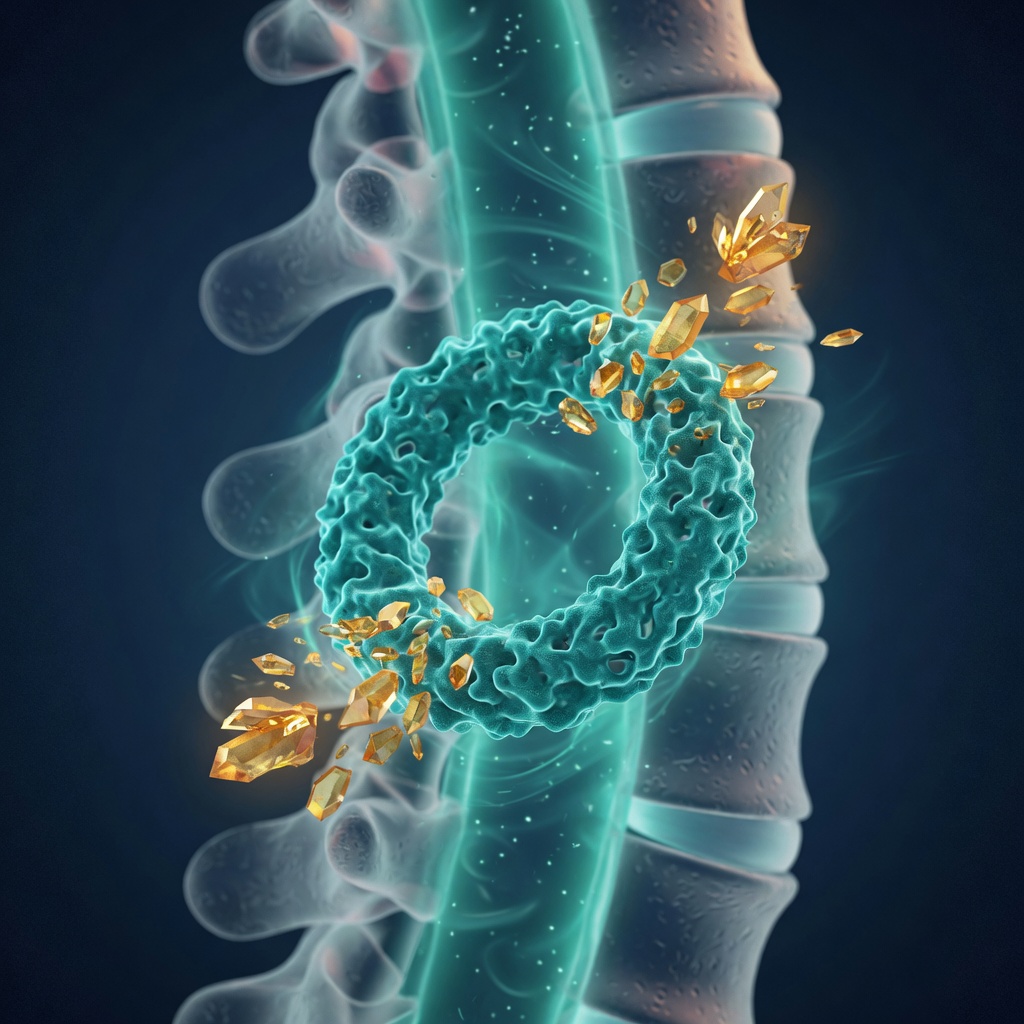
 Adrabetadex
Beren Therapeutics’ cyclodextrin, given into the spinal fluid. Expanded access has been a lifeline for many children with NPC, and an application is under FDA review. It is not Trappsol Cyclo.
 Investigational · Phase 3
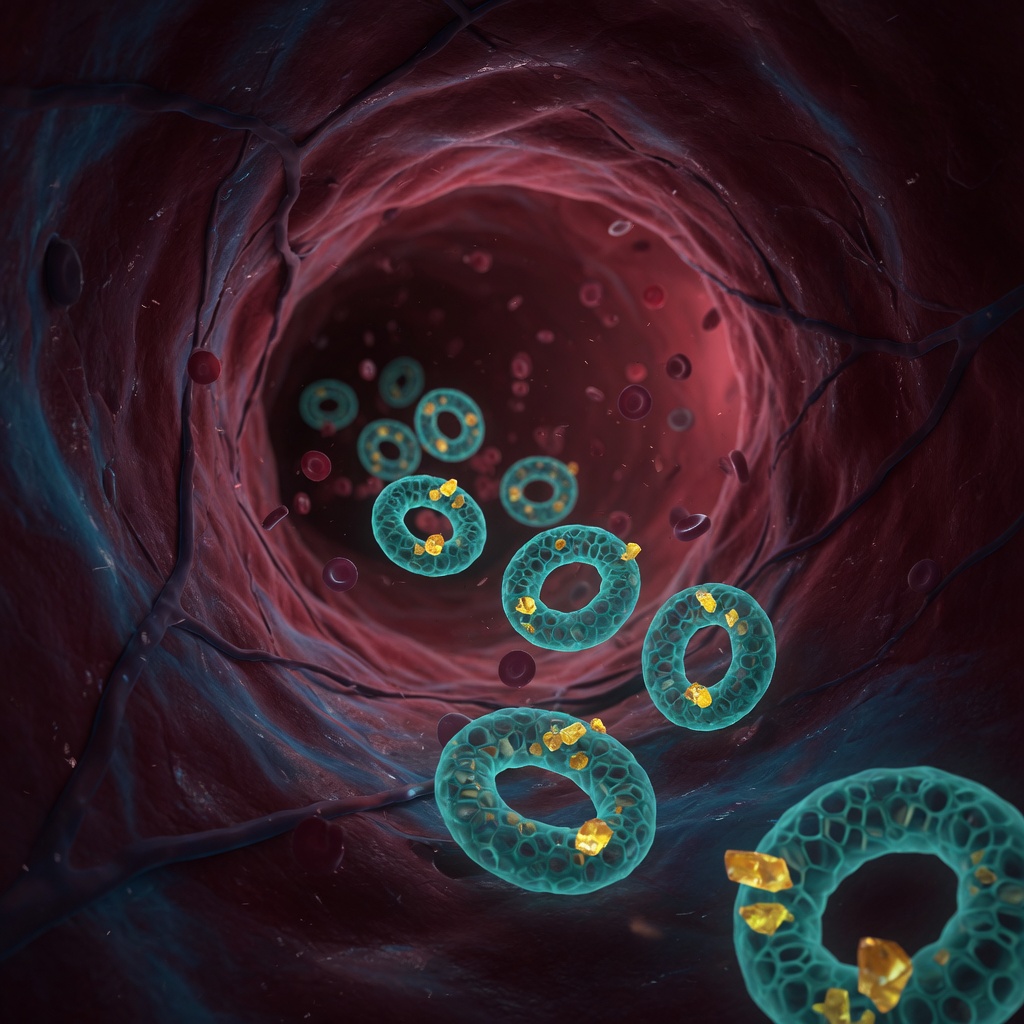
 Trappsol Cyclo
Cyclo Therapeutics’ cyclodextrin, given in a vein. It is in the Phase 3 TransportNPC study. Same broad idea as adrabetadex, different product and delivery.
 Investigational · Phase 3
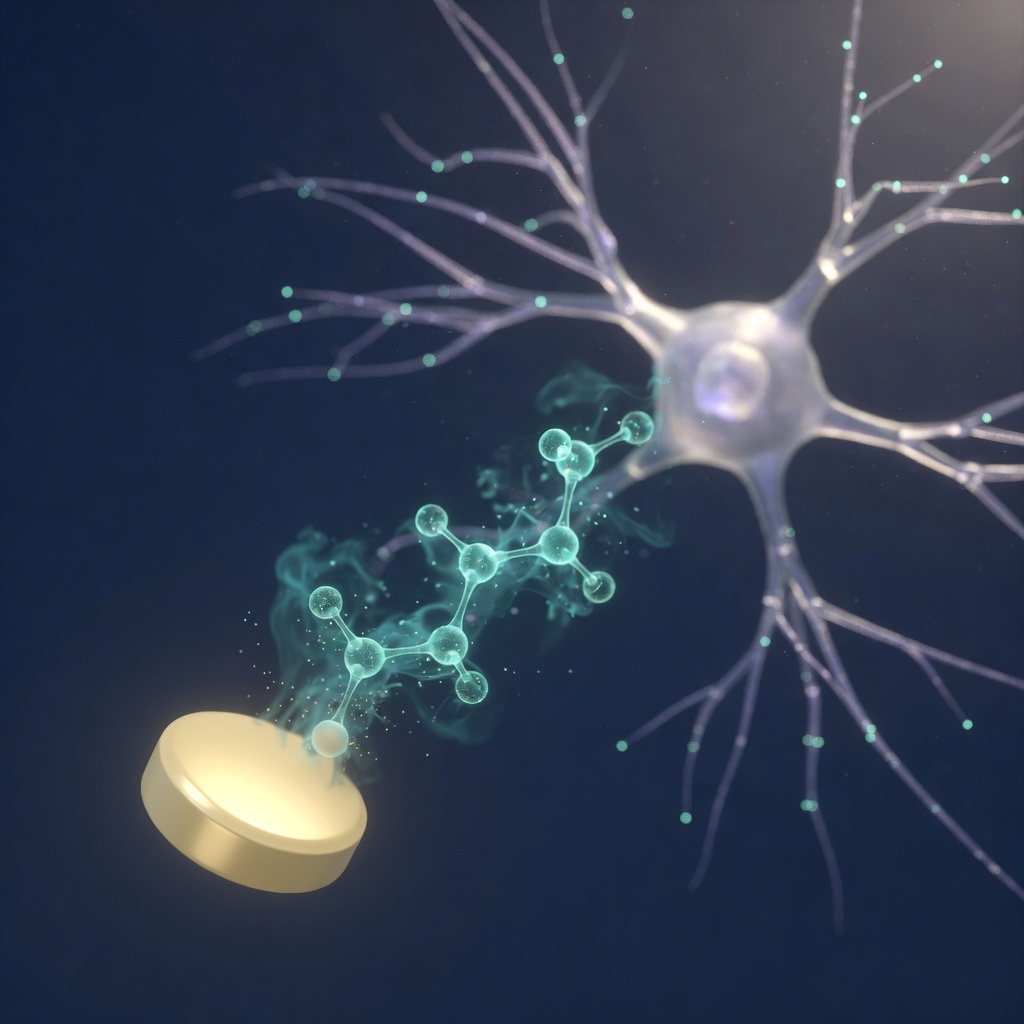
 Nizubaglustat
Azafaros’ oral medicine in the global Phase 3 NAVIGATE study. A brain-penetrant substrate-reduction approach. It is not miglustat, and it is not approved.
 In research
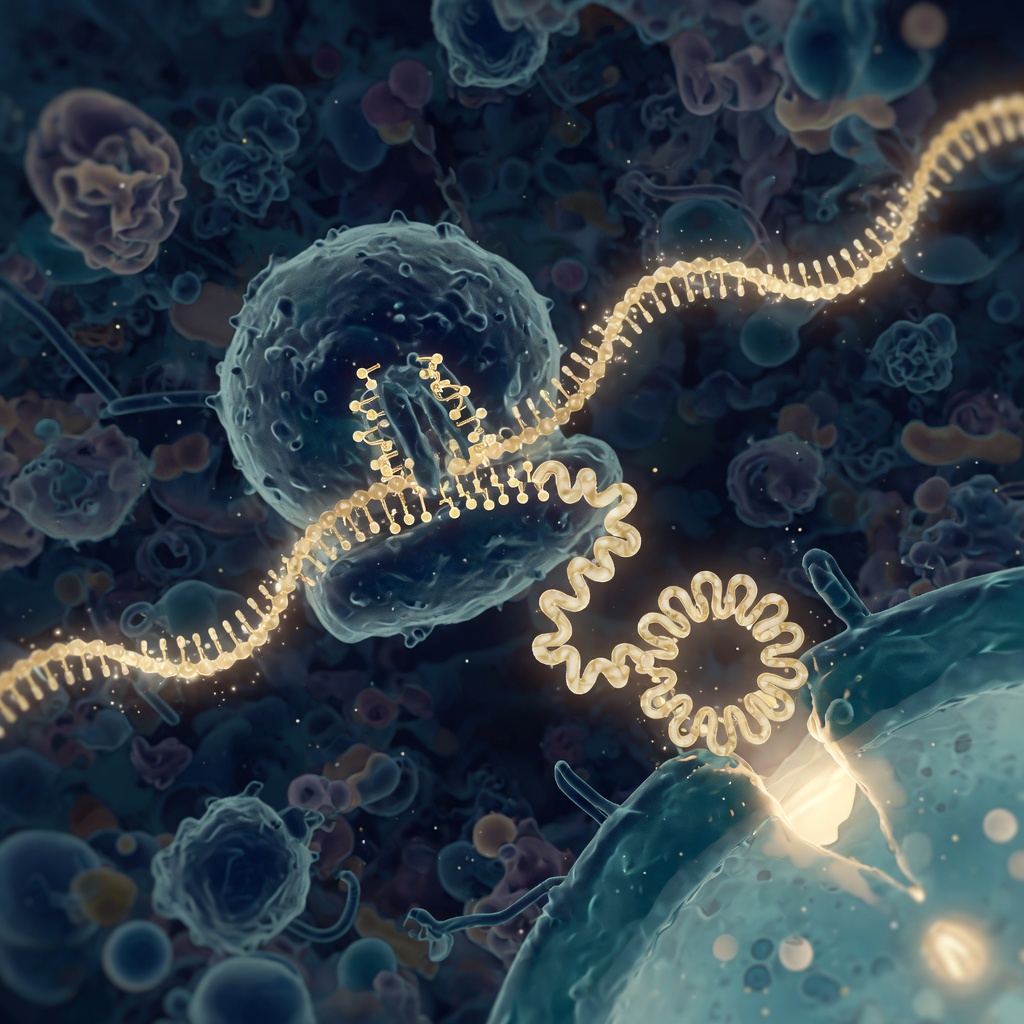
 mRNA gene therapy
The Life 4 Liam approach: teach the cell to make the missing NPC1 protein using messenger RNA.
 Essential care
 Supportive care
Therapy, nutrition, seizure care, school support, and daily help are part of treatment — not extras.
 Research
 AAV gene therapy
Researchers can pack a working NPC1 gene into an engineered adeno-associated virus (AAV) capsid. That is gene addition — a different tool from the mRNA and prime-editing path Life 4 Liam funds. One named program is Apertura’s TfR1 capsid, studied with the NIH. It is not in patients yet.
 Research
 DL33
Meizon’s small-molecule candidate for NPC. Manufacturing and animal toxicology are the current work, toward a possible Phase 1. It is not in patients.
Educational only. Not medical advice.