 Life 4 Liam
Onset
Early infantile, late infantile, juvenile, or adult. Earlier usually means faster.
NPC is a rare neurodegenerative disease. Mutations in NPC1 or NPC2 stop the cell from moving cholesterol and other lipids out of the lysosome. The cell fills. Then it dies. In the brain, that is childhood Alzheimer’s.
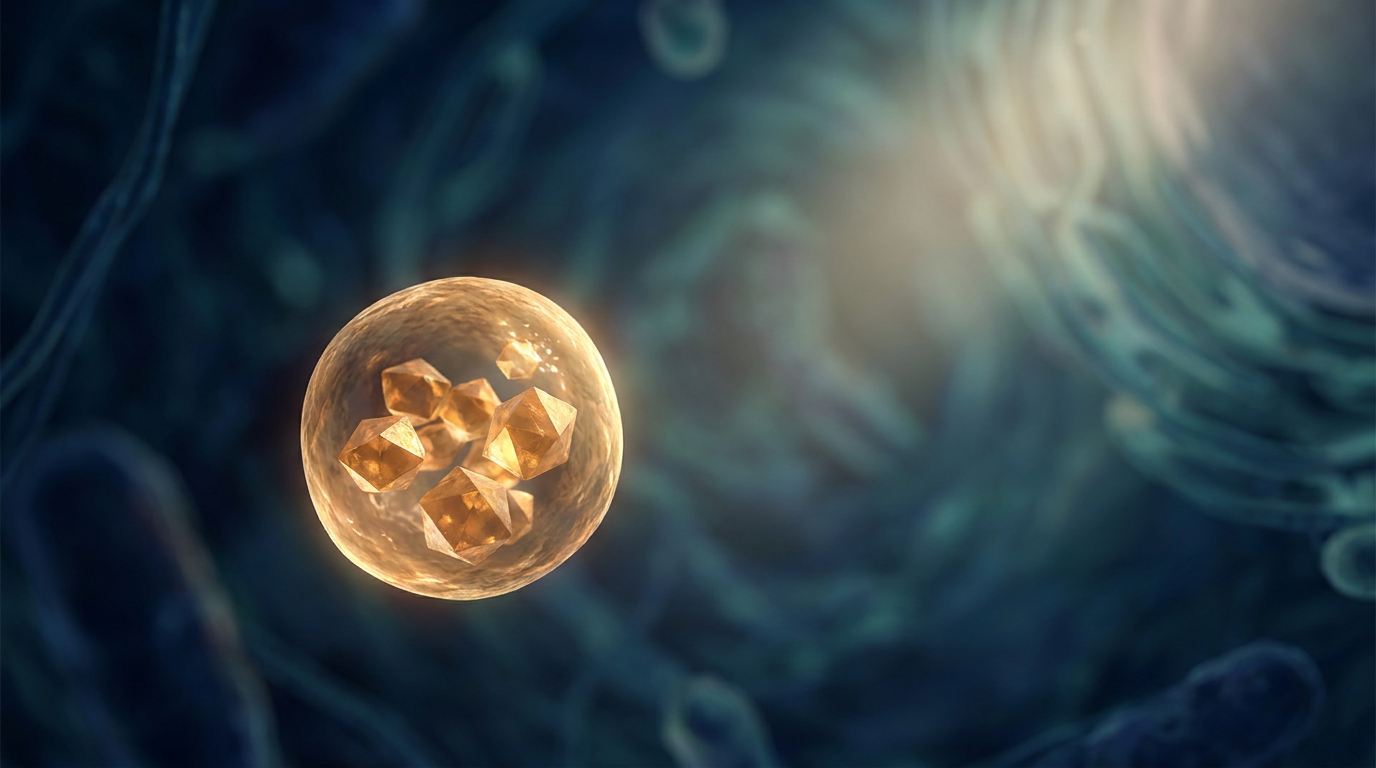
Healthy NPC1 and NPC2 proteins are traffic directors. They help cholesterol leave the lysosome so the cell can use it. When those proteins are missing or broken, cholesterol stacks up. The cell swells, inflames, and dies.
Walking. Looking up. Swallowing. Speech. Memory. NPC does not take everything at once, but it takes things that do not come back. Earlier onset usually means faster, harder disease. Adult-onset NPC can look like psychiatric illness first.

Many babies have jaundice or an enlarged spleen. Eye-movement problems are often an early clue. Liver, spleen, kidneys, and lungs can all be hurt. Diagnosis is still delayed by about five years on average. Newborn screening is a fight worth having.
Early infantile, late infantile, juvenile, or adult. Earlier usually means faster.
About 95% of cases are NPC1. Both parents must carry a mutation. More than 400 NPC1 mutations are known.
This page is educational, not medical advice. A geneticist or NPC specialist should confirm any diagnosis.
How treatments try to interrupt this