 Life 4 Liam
Step 1
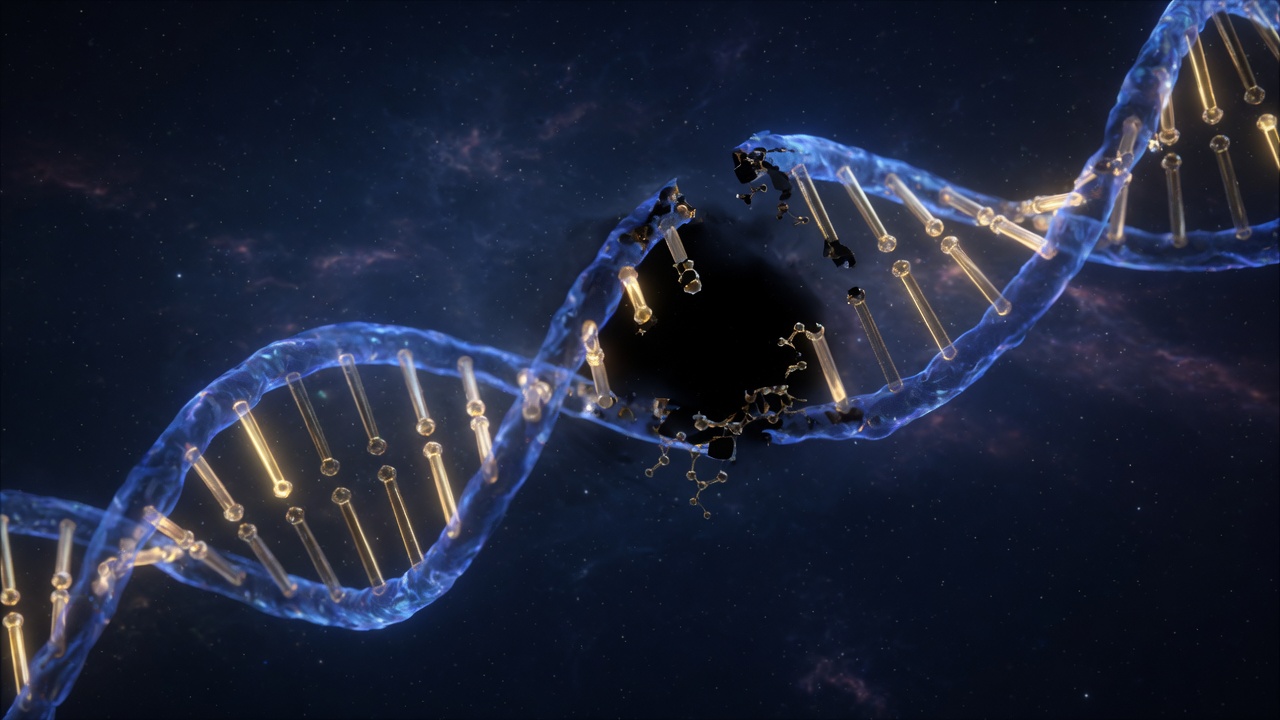
A letter is missing
NPC1 is a gene. In NPC, both copies are mutated, so the cell cannot make enough working NPC1 protein to move cholesterol out of the lysosome.
Children with NPC1 cannot make enough working NPC1 protein. Gene therapy using messenger RNA tries to hand the cell a temporary, correct instruction so it can build that protein itself.
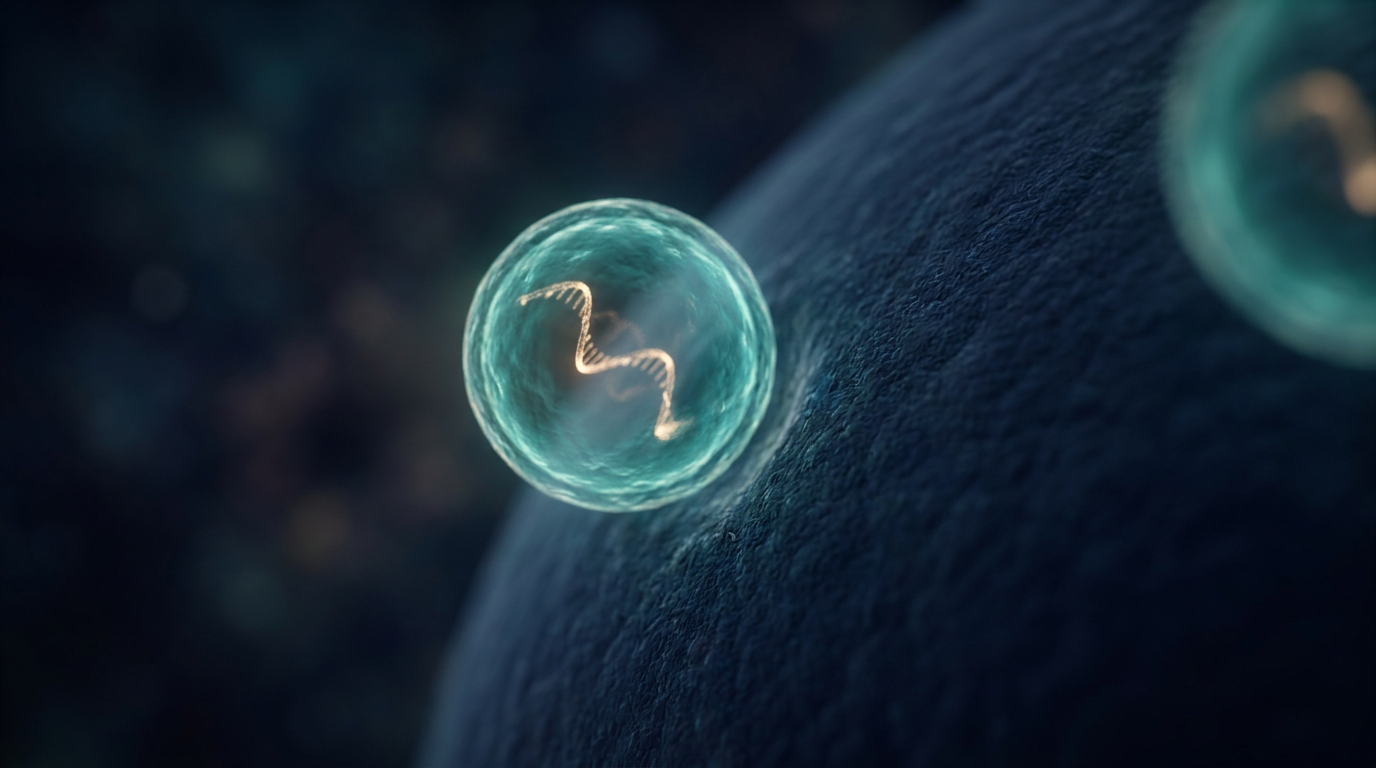
NPC1 is a gene. In NPC, both copies are mutated, so the cell cannot make enough working NPC1 protein to move cholesterol out of the lysosome.
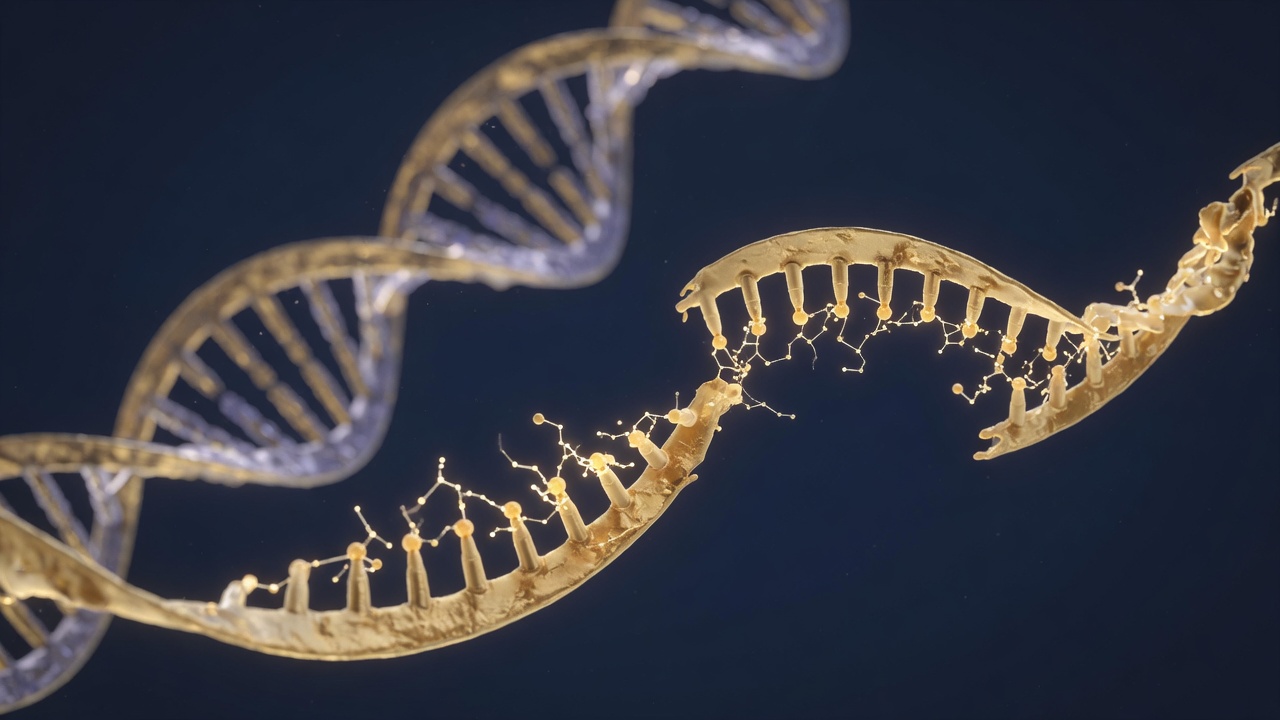
Scientists build a correct messenger RNA — a temporary instruction that says how to make NPC1 protein. It does not permanently edit DNA.
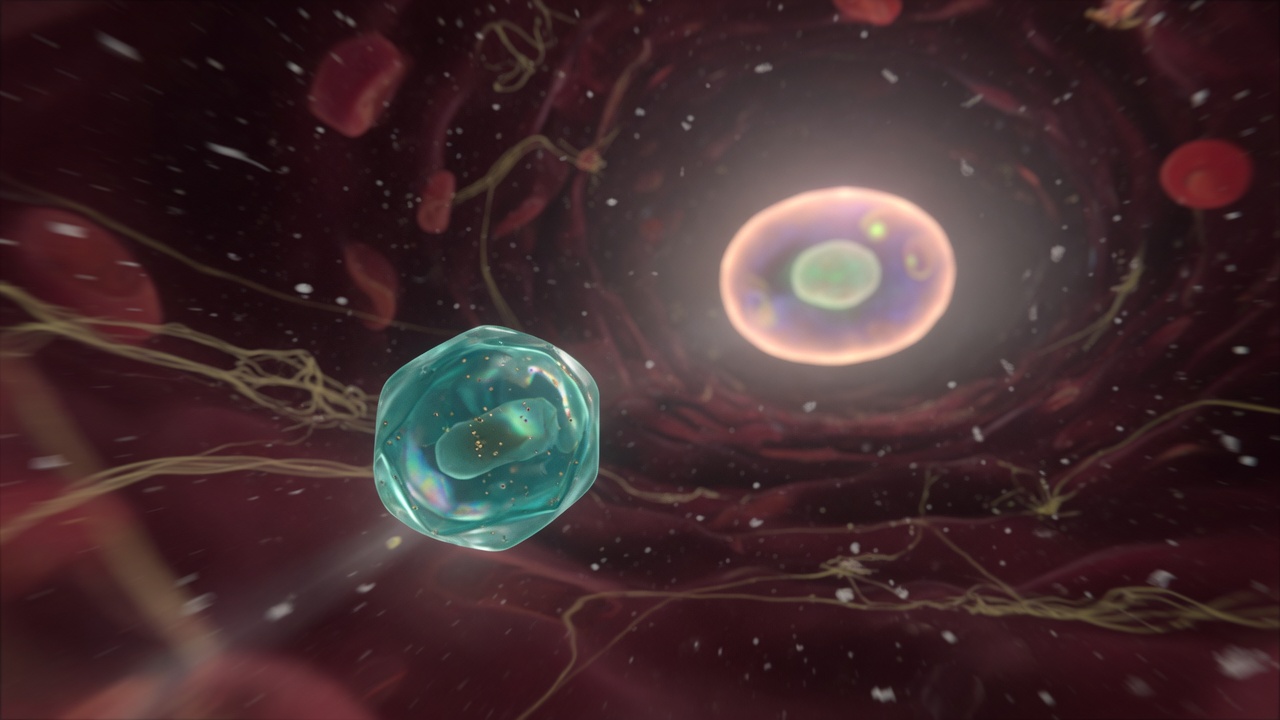
The mRNA is wrapped in a lipid nanoparticle, a fat bubble that can travel through the body and enter cells.
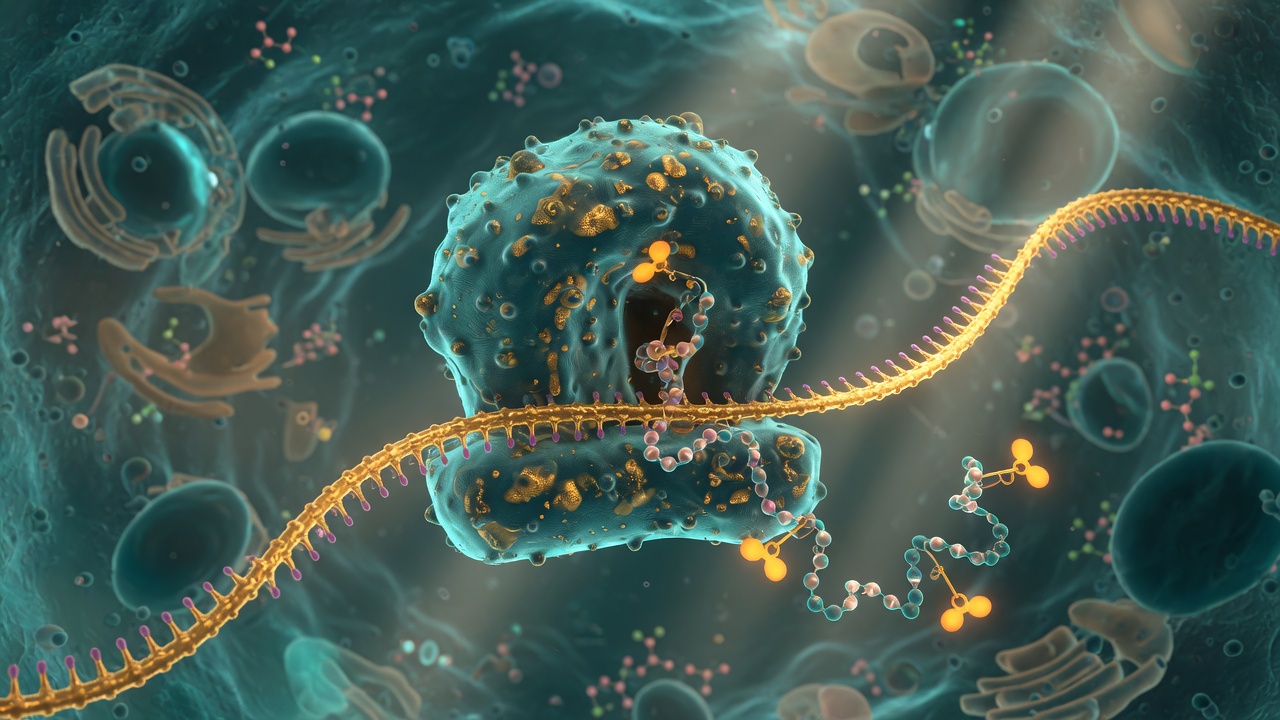
Once inside, the cell’s own machinery reads the mRNA and assembles NPC1 protein. Cholesterol can start leaving the lysosome.
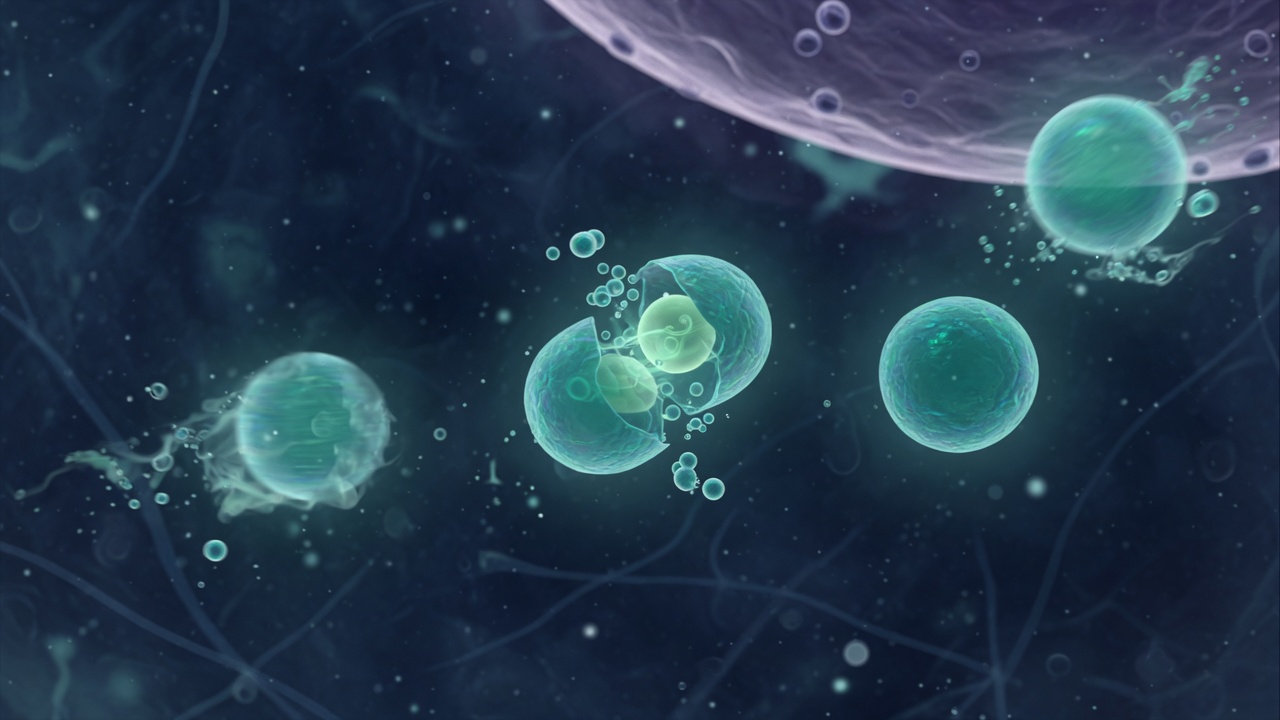
mRNA is temporary. The hope is that regular doses would keep enough NPC1 protein in place — a functional treatment at the root of the disease.
Life 4 Liam partners with Dr. Mark Schultz and the Schultz Laboratory at the University of Iowa Stead Family Children’s Hospital. The lab is researching lipid-nanoparticle mRNA that can restore NPC1 protein. That work is now a peer-reviewed paper in Molecular Therapy Nucleic Acids — the first published mRNA therapy for NPC1 — and the featured cover of the September 2026 issue.
This is research, not an approved medicine. It is the path this foundation was built to fund.
The Iowa work is not a dead end. The same science carries forward. We go from a functional cure that can keep our children alive, to a complete cure that rewrites the gene.
A temporary, correct instruction. The cell builds NPC1 protein while the dose is there. That can keep children alive and buy time. This is the work we are funding now.
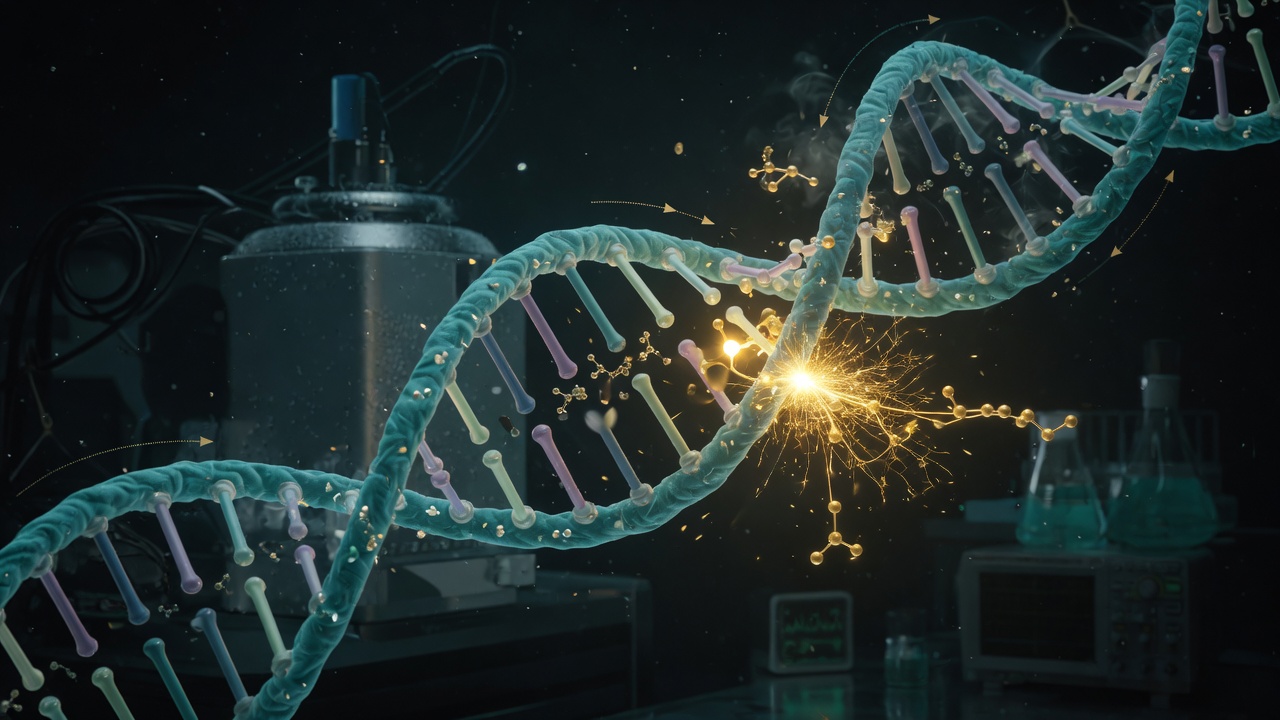
A precise rewrite of the existing gene. The Iowa mRNA program is the on-ramp: delivery, protein rescue, and lab know-how that carry straight into prime editing. Same fight. A lasting fix.